

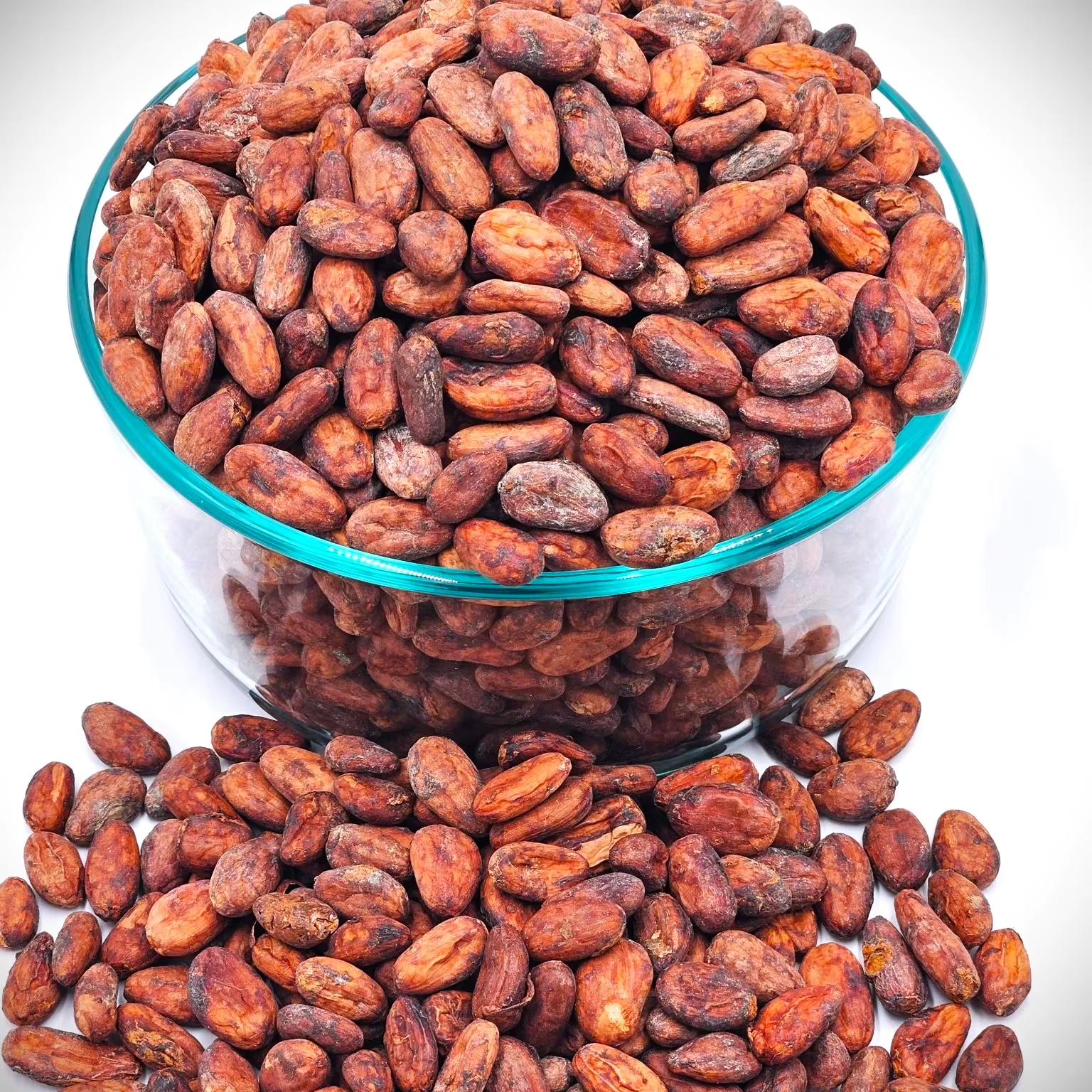
There are certain steps involved in importing cocoa products that businesses have to consider prior to the arrival of such products in their target market. Such steps include finding the right product classification, the import regulations that are in place, the total landed cost involved, and customs-related issues.
Agricom Group LTD might have relevance to businesses that want to exploit import/export opportunities in the international food product market.
Start with the Product and Import Regulations
Since there are many types of cocoa products which may fall in different categories, it becomes imperative that prior to the importation of the said product, the business is fully aware of what type of product it is bringing into the country and what regulations pertain to the said product.
The initial things that a business needs to know can include:
- Nature of the cocoa product
- HS Classification of the cocoa product
- If import license or registration is required for this product
- Reviewing applicable food safety requirements
- Understanding the rules of the destination market
Work Out Total Cost Before Ordering
Purchase price is just a fraction of total cost associated with international business. It is vital for a company to work out the anticipated landed cost so that it can know what implications are going to result from the import of such products as cocoa.
Costs might include such things as international shipping, duties, taxes, insurance, port charges and all other fees. Comparing costs before the purchase decision is made will help the company create a real estimate of importing cost.
Be Familiar with the Process of Customs Clearance
Customs clearance is the process that is crucial for any international importing. It is vital for a company to have a clear understanding of how its shipment is going to be cleared.
Considering How to Import Cocoa Products, buyers need to learn about the process of customs clearance which includes tariff classification, import declarations, inspection and goods release.
Plan the Shipment According to the Business Operations
The business also needs to think about how the shipment will be used in its larger business plans and schedules. Businesses need to balance their purchase plans with production schedules, sales plans, budgeting plans, and demands.
Now that the businesses know How to Import Cocoa Products, they can actually plan according to their own needs rather than treat international purchases as just one single deal. The Agricom Group LTD is a good option for businesses trying out international food products.
FAQ’s
1. What should a business ascertain before importing cocoa products?
The business should first ascertain the cocoa product that it needs to import and the classification, importation requirements, and regulation in the destination market.
2. What do you understand by the term landed cost regarding cocoa imports?
Landed cost is the total cost of getting a product to its destination market.
3. What is the importance of HS classification when importing cocoa products?
HS classification is the classification of trade items and it might influence the customs process, duties, and other factors involved in the importation of an item.
4. At what stage should a business initiate its planning of importation process?
The planning of the importation process should start even before the purchase.